How to Start a Small Herb Garden Indoors: A Beginner’s Guide
Growing a small herb garden indoors is a rewarding and practical way to bring fresh flavors into your kitchen. Whether you have limited outdoor space or simply want fresh herbs at your fingertips, cultivating an indoor herb garden is easier than you might think. This guide will walk you through the basics, helping you select the right herbs, understand their needs, and maintain your garden throughout the year.
Why Grow Herbs Indoors?
Indoor herb gardens offer several benefits:
– Freshness: Harvest herbs as you need them, ensuring maximum flavor.
– Convenience: No need to run to the store or waste unused herbs.
– Aesthetics: Herb plants add greenery and life to your indoor space.
– Economical: Saves money over time by reducing the purchase of fresh herbs.
– Wellness: Caring for plants can be a relaxing and rewarding hobby.
Choosing the Right Herbs for Indoor Growing
Not all herbs thrive indoors equally well. When starting your herb garden, consider these popular and easy-to-grow herbs:
– Basil: Loves warmth and sunlight, great for Italian dishes.
– Parsley: Tolerant of indoor conditions and grows well in moderate light.
– Chives: Hardy and forgiving, perfect for beginners.
– Mint: Grows fast and spreads easily, but keep it contained.
– Thyme: Prefers bright light and well-drained soil.
– Oregano: Requires good light and thrives with minimal water.
– Cilantro: Needs cooler temperatures and bright, indirect light.
What You’ll Need to Start
Before planting, gather these essentials:
Containers
Choose pots with drainage holes to prevent waterlogging. Small to medium-sized pots work well for most herbs. Consider terra cotta, ceramic, or plastic containers based on aesthetics and your budget.
Potting Mix
Use a high-quality, well-draining potting mix designed for indoor plants. Avoid garden soil as it may be too dense and can introduce pests.
Light Source
Herbs generally need 6-8 hours of light daily. Place your garden near a sunny window facing south or west. If natural light is insufficient, consider grow lights for supplemental lighting.
Watering Tools
A watering can with a narrow spout helps water gently without disturbing roots. Regular monitoring of soil moisture is key to healthy plants.
Fertilizer
Use a balanced, water-soluble fertilizer formulated for vegetables or herbs. Apply according to package instructions to avoid overfeeding.
Step-by-Step Guide to Planting Your Indoor Herb Garden
1. Select Your Herbs
Pick 3-5 herb varieties you use most often and that suit your indoor conditions.
2. Choose Containers
Pick pots large enough to accommodate growth. You can plant multiple herbs in a single larger container or use individual pots.
3. Fill with Potting Mix
Add potting soil to each container, leaving about an inch of space at the top.
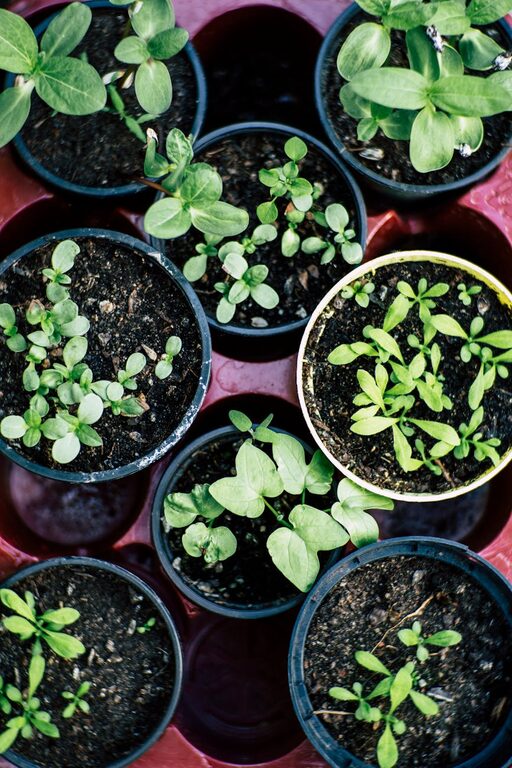
4. Plant Seeds or Seedlings
– Seeds: Follow seed packet instructions on depth and spacing. Keep soil moist but not soggy.
– Seedlings: Gently loosen roots and plant them at the same soil depth they were growing in their starter pots.
5. Water Thoroughly
After planting, water the soil until it feels damp but avoid overwatering.
6. Position for Light
Place the herbs where they can get plenty of natural sunlight or turn on grow lights for 12-14 hours a day.
7. Maintain Humidity and Air Circulation
Indoor air can be dry, especially during winter. Use a humidity tray or light misting to keep herbs comfortable. Ensure good airflow to avoid mold.
Caring for Your Indoor Herb Garden
Watering Tips
– Check soil moisture frequently by touching the top layer.
– Water when the top inch of soil feels dry.
– Avoid letting pots sit in standing water.
Fertilizing Schedule
– Feed herbs every 4-6 weeks during the growing season.
– Dilute fertilizer to half strength to prevent burning roots.
Pruning and Harvesting
– Regularly pinch back growing tips to encourage bushy growth.
– Harvest herbs in the morning for the best flavor.
– Avoid removing more than one-third of the plant at a time.
Troubleshooting Common Issues
– Yellow leaves: Could indicate overwatering or lack of nutrients.
– Leggy plants: Often a sign of insufficient light.
– Pests: Watch for aphids or spider mites; wipe leaves or use an insecticidal soap if necessary.
Tips for Success
– Rotate pots weekly to encourage even growth.
– Group herbs with similar water and light needs together.
– Clean your containers and tools periodically to prevent disease.
– Keep a gardening journal to track growth and care routines.
Conclusion
Starting a small herb garden indoors is a simple and enjoyable project that enhances your cooking and your home environment. With the right herbs, containers, and care, you can enjoy fresh flavors all year round. Happy gardening!
—
If you’ve started your indoor herb garden, share your favorite herb to grow or tips in the comments below!