Beginner Tips for Composting at Home: A Simple Guide to Get Started
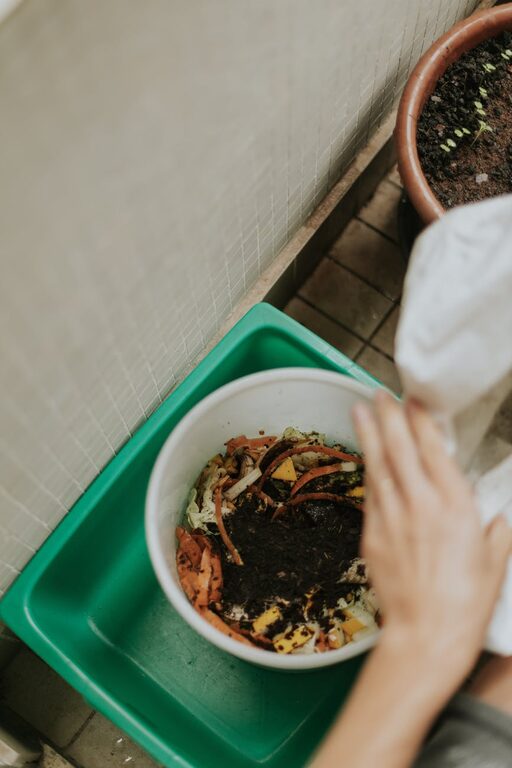
Composting at home is a rewarding way to reduce waste, improve your garden’s health, and contribute positively to the environment. If you’re new to composting, it might seem a bit overwhelming at first. However, with some simple guidance, you can turn your kitchen scraps and yard waste into valuable compost with minimal effort. This beginner-friendly guide will walk you through the basics of composting at home, helping you get started on your eco-friendly journey.
What Is Composting?
Composting is the natural process of recycling organic material, such as food scraps and yard waste, into a nutrient-rich soil amendment known as compost. Compost improves soil structure, enhances moisture retention, and provides essential nutrients for plants.
Why Compost at Home?
– Reduce landfill waste: Composting diverts organic materials from landfills, reducing methane emissions.
– Enrich your soil: Homemade compost provides healthy nutrients for plants without chemical fertilizers.
– Save money: By making your own compost, you decrease the need to buy soil amendments.
– Support sustainability: Composting promotes a closed-loop system that benefits your garden and the planet.
Getting Started: Choosing Your Composting Method
There are several composting methods suitable for beginners. The best choice depends on your space, time commitment, and interests.
1. Traditional Compost Bin
– Ideal for backyards or gardens with some space.
– Most common and straightforward method.
– Compost bins can be purchased or homemade.
2. Tumbler Composters
– Enclosed containers that rotate to speed up composting.
– Convenient and less messy.
– Suitable for smaller spaces.
3. Vermicomposting (Worm Composting)
– Uses worms (usually red wigglers) to break down food scraps.
– Perfect for indoors or apartments.
– Produces high-quality compost called worm castings.
4. Bokashi Composting
– Ferments food waste using a special bran inoculated with microbes.
– Can handle meat and dairy, which typical composting avoids.
– Usually done indoors in a sealed bucket.
Setting Up Your Compost Bin
Here’s how to set up a basic backyard compost bin:
Step 1: Pick a Location
– Choose a dry, shady spot near a water source.
– Ensure easy access for adding materials and turning your compost.
Step 2: Prepare the Base
– Lay down twigs or straw at the bottom for aeration and drainage.
– This helps prevent waterlogging.
Step 3: Add Your Materials
– Alternate layers of green and brown materials.
– Green materials: kitchen scraps (fruit and vegetable peels, coffee grounds), grass clippings.
– Brown materials: dry leaves, cardboard, paper, wood chips.
What Can You Compost?
Compostable Materials
– Vegetable and fruit scraps
– Coffee grounds and filters
– Tea bags (without plastic)
– Eggshells (crushed)
– Grass clippings and leaves
– Shredded newspaper and cardboard
– Yard waste and small branches
Avoid Composting
– Meat and fish scraps (unless using Bokashi)
– Dairy products
– Fats, oils, and grease
– Pet waste
– Diseased plants or weeds gone to seed
Maintaining Your Compost
Keep It Balanced
– Aim for a balance of roughly two parts brown materials to one part green materials.
– Too many greens cause odor; too many browns slow decomposition.
Moisture Control
– Compost should feel like a damp sponge.
– Water it if it’s too dry; add dry materials if it’s too wet.
Aerate Regularly
– Turn or mix the pile every 1-2 weeks.
– Aeration introduces oxygen, which speeds up decomposition and prevents odors.
Troubleshooting Common Issues
– Foul smell: Usually means too much green material or poor aeration; add browns and turn pile.
– Pile not heating up: Could be too small, dry, or lack nutrients; add green materials and water.
– Pests: Avoid adding meat and keep food scraps buried in the pile.
Harvesting Your Compost
– Compost is ready when it’s dark, crumbly, and earthy smelling.
– This process may take 2-6 months depending on conditions.
– Use your compost by mixing it into garden beds, potting soil, or as mulch.
Tips for Successful Composting
– Chop or shred materials to speed up decomposition.
– Use a compost thermometer to monitor temperature (ideal is 135–160°F for hot composting).
– Keep a kitchen scrap container with a lid to collect scraps conveniently.
– Educate family members on what can be composted to avoid contamination.
Final Thoughts
Starting a compost bin at home is simpler than many think and highly rewarding. By recycling your kitchen and yard waste, you reduce waste, improve soil health, and create a sustainable cycle that benefits your garden and the environment. With patience and practice, composting becomes a natural part of your routine, helping you live greener every day.
—
Ready to give composting a try? Gather your scraps, choose your composting method, and enjoy the journey to richer soil and a happier planet!