
Simple Ways to Reduce Household Paper Clutter Quickly
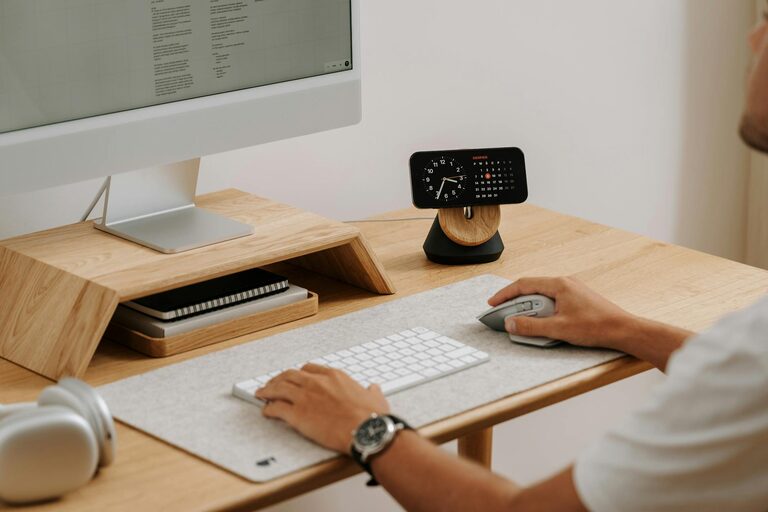
In every household, paper clutter can quickly pile up — bills, receipts, manuals, mail, and school papers often seem to multiply. If your countertops, drawers, or desks are buried under stacks of paper, you’re not alone. The good news is that reducing household paper clutter doesn’t have to be overwhelming. With a few simple steps, you can regain control, create order, and enjoy a calmer living space. Here’s a practical guide to help you get started.
Why Paper Clutter Happens
Before tackling paper clutter, it helps to understand why it accumulates:
– Paper arrives regularly from mail and daily activities.
– Many people feel unsure about what to keep or toss.
– Lack of an easy system leads to piles forming.
– Important documents get mixed with junk paper.
Recognizing these patterns allows you to build better habits and systems.
Step 1: Set Up a Central Paper Station
Having a dedicated spot for managing all incoming paper makes a big difference.
– Use a tray or basket to collect mail and miscellaneous papers as soon as they enter your home.
– Choose a surface near your main entrance or kitchen for easy access.
– This keeps papers from spreading all over the house and gives you one collection point to work from.
Step 2: Sort Immediately into Categories
When you have a manageable stack, take a few minutes to sort papers into clear groups:
– Keep: Important documents like legal papers, warranties, tax forms.
– Action: Bills to pay, invitations, items that need response.
– Reference: Manuals, recipes, or useful information.
– Recycle: Junk mail, expired coupons, old magazines.
Sorting right away helps prevent papers from mixing and becoming overwhelming.
Step 3: Reduce Incoming Paper
One of the best ways to minimize clutter is to stop it before it starts.
– Opt for paperless billing and statements whenever possible.
– Unsubscribe from catalogs, newsletters, and junk mail.
– Use digital alternatives for notes and receipts.
– Encourage your family to avoid printing unnecessarily.
Reducing what comes in makes managing what you have easier overall.
Step 4: Organize and Store What’s Important
For papers you need to keep, organization is key.
– Use labeled folders or binders to group documents logically (e.g., medical, insurance, taxes).
– Store them in a designated drawer, file box, or cabinet.
– Consider scanning documents and storing them digitally for easy access and less physical clutter.
– Regularly review kept papers to purge anything no longer needed.
Step 5: Create a Paper Processing Routine
Consistency helps prevent clutter from building up again.
– Set a weekly or bi-weekly time slot to handle paper clutter.
– Review the “Action” pile and complete tasks promptly.
– File or shred papers after sorting.
– Keep your paper station neat and reset after each session.
Step 6: Use Smart Tools to Manage Paper
Certain tools can simplify your paper management.
– A shredder helps securely dispose of sensitive documents.
– A scanner or scanning app lets you digitize paper quickly.
– Label makers or colored folders improve visual organization.
– Digital calendars, reminders, and note apps can reduce paper notes.
Step 7: Involve the Whole Household
Paper clutter impacts everyone, so make it a family goal.
– Teach kids to put away school papers, sort their artwork, and recycle junk mail.
– Share simple sorting rules with family members.
– Encourage everyone to use the central paper station.
– Regularly discuss organization goals to stay motivated.
Bonus Tips for Special Paper Types
Receipts
– Snap a photo of receipts for important purchases and toss the paper.
– Use apps that track expenses digitally.
Magazines and Newspapers
– Limit subscriptions and recycle promptly upon arrival.
– Keep a small stack if you like to refer back, but discard older issues.
Children’s School Papers and Artwork
– Select a few favorites to display or store in a memory box.
– Digitize artwork by scanning or photographing.
Final Thoughts
Reducing household paper clutter is a manageable task with meaningful benefits. A clear and organized space reduces stress, makes important documents easier to find, and keeps your home feeling refreshing. By creating simple systems, minimizing incoming paper, and establishing routines, you’ll enjoy a clutter-free environment that supports everyday life.
Start small with one step today — your future self will thank you!